How to Actually Run FP&A at a Startup
The real reasons startups struggle to stand up FP&A — and a practical playbook for doing it anyway.

Even startups that have embraced cutting-edge operating frameworks like OKRs and Agile tend to say the same thing about FP&A:
"We know we need it. But outsourcing it is way too expensive, and doing it in-house means we'd need the time, the tools, and the people — and we don't have any of them."
FP&A (Financial Planning & Analysis) is the management discipline of forecasting the future and building strategy around it. For startups especially — where the story is about "future profit," not "today's numbers" — FP&A is an essential capability. But the reality is that survival comes first, and even basic cleanup is a struggle.
Here's a look at the real reasons startups struggle to run FP&A — and the practical ways to solve it.
No people, no time — the hard reality of resource constraints
"There's exactly one finance person on the ops team."
"There's too much data, it all needs careful review, and building a single report in Excel takes days."
Finance at a startup is a lonely job. One person often owns accounting, tax, treasury, contracts, and IR all at once. No resources, endless work, and barely enough time to produce the performance report — which turns strategy and scenario modeling into "things we'd love to do but never get to."
And sometimes it's the CEO personally copying data into Excel to build the IR deck.
The data exists, but it isn't structured — the pain of "organizing" financial information
"We outsource bookkeeping, and instead of an ERP we track every expense in Excel. Even the corporate-card spend lives in a spreadsheet."
At a startup, finance often stitches together data by hand from a dozen sources — emails from the accountant, Excel files, Google Sheets.
Every time someone needs a KPI report or a P&L, the cycle repeats: gather data → design the structure → pull the metrics → reconcile. Month-over-month deltas, KPI trends, asset/liability movements — all built by hand in Excel. And every month brings a new version of "wait, which metric do we need this time?"
Reports that get assembled differently every time are nearly impossible to compare, and when the data lives in silos, consistent judgment becomes structurally impossible.
You can't forecast the future — the absence of scenarios and valuation
"Revenue is climbing, but I have no idea whether the growth holds."
"Should we make another hire right now?"
"If we raise, how much can our valuation actually move?"
The heart of FP&A isn't tidying up numbers — it's using those numbers to simulate the future and build strategy. But for startups:
the market isn't mature yet,
the revenue model isn't locked in, and
plans shift constantly with the flow of outside capital,
which makes revenue forecasting genuinely hard.
In the end, future planning at many startups stalls out at Excel-based scenarios, and even budgets, headcount plans, and investment models default to decisions made on gut feel.
That makes it hard even to back up a valuation with quantitative evidence — to say "here's why we're worth this much." Without the "A (Analysis)" in FP&A, you end up repeating directionless growth.
So is FP&A a luxury startups can't afford?
Numen and fiela help every company stand up FP&A.
FP&A that works even without a dedicated team
Auto-generated P&L, financial, and KPI reports straight from your ERP ledger
Monthly cash-flow summaries, plus KPI trend and variance analysis, visualized
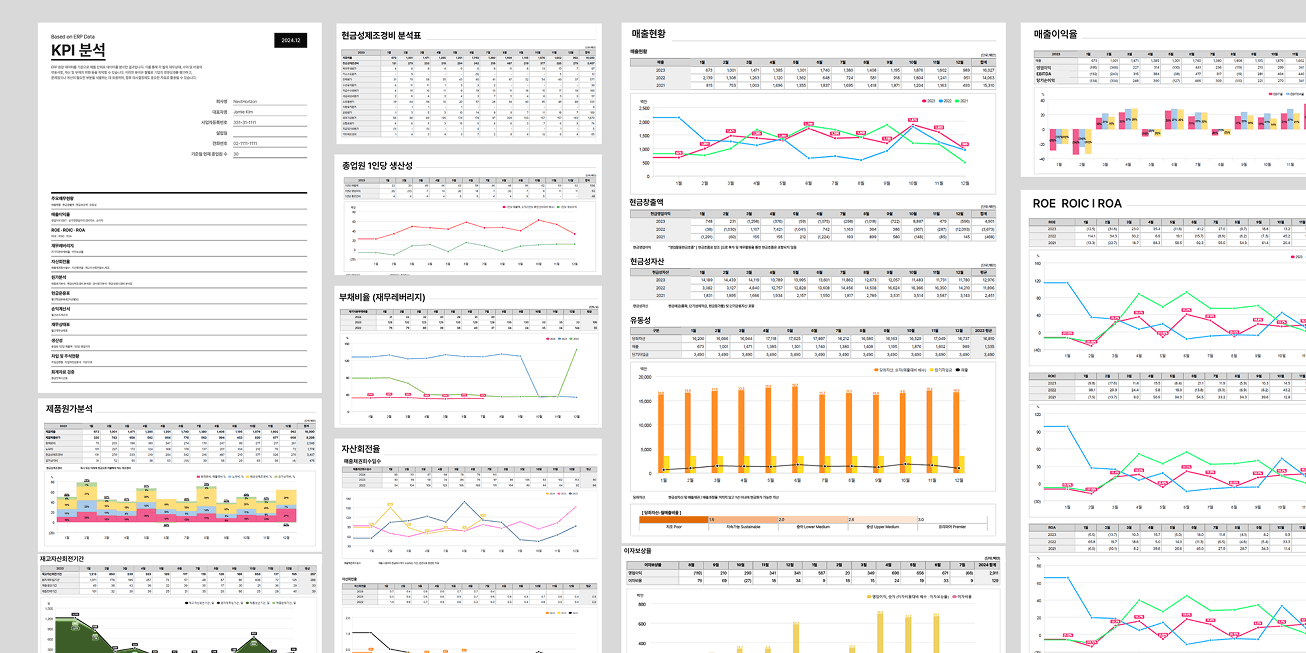
Run analysis and build strategy on consistent data — without the upfront work of building the framework yourself.
Scenario-based planning to get ahead of the future
Auto-calculated core metrics like cash generation and ROIC let you check whether your profitability is strong enough before you raise.
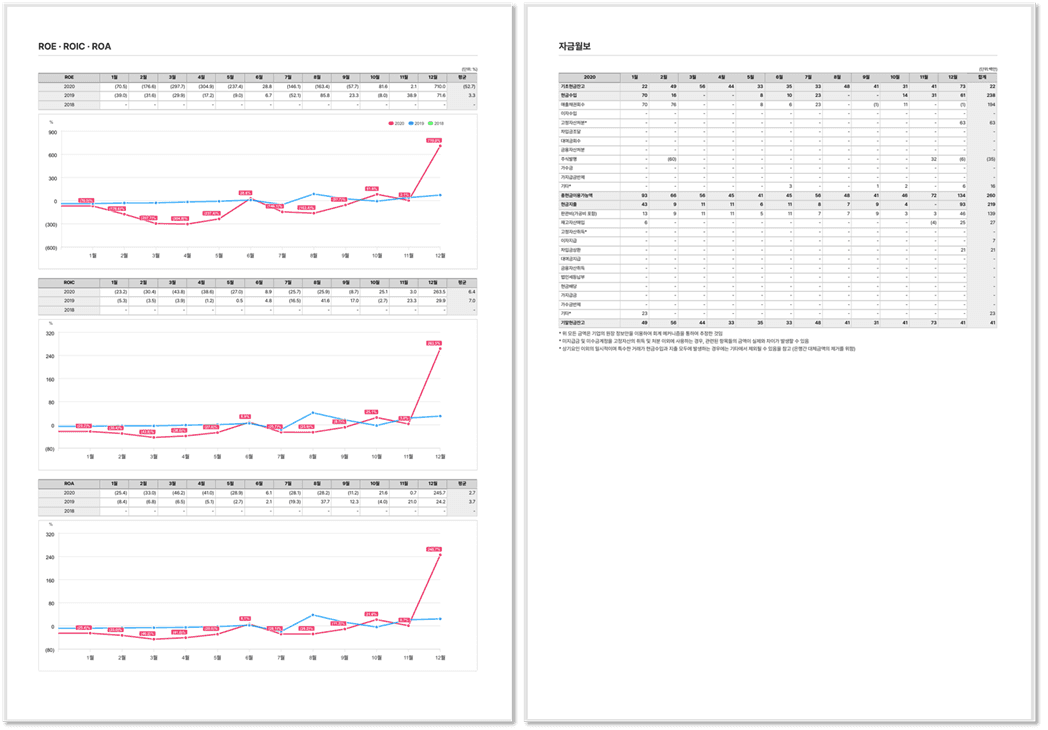
A quantitative valuation via the company valuation calculator means that, going into investor meetings, you can explain — objectively and from a financial standpoint — why your company is worth what it's worth.

Generate a shareable external link to your IR report to handle investor outreach.

With capabilities like these, Numen and fiela.ai let you properly diagnose where your finances stand and build a strategic plan to move forward.
FP&A for the growth ahead
FP&A is no luxury for a startup. Can you answer these questions clearly, right now?
Area | Question | Answer |
|---|---|---|
Cash-flow visibility | Even when you're profitable, can you explain "why is cash short?" | Y / N |
Performance analysis | Do you analyze and report — with numbers — why each KPI moved versus last month? | Y / N |
Cost-structure awareness | Can you break out fixed vs. variable costs and explain them to your CEO or investors? | Y / N |
Valuation logic | Can you convince investors of your company's value with hard numbers? | Y / N |
All four are strategic questions every company needs to answer to grow in a healthy way. If you don't have them, your company may be growing with no strategy at all.
You may be small today, but only the right direction gets you big — and fast. Start now: with Numen, turn cleanup into analysis and reporting into strategy. We'll help you get FP&A off the ground.
✨⚙️ Want to bring FP&A AI into your finance function?
Get FP&A insights validated on the floor — delivered every Tuesday morning.